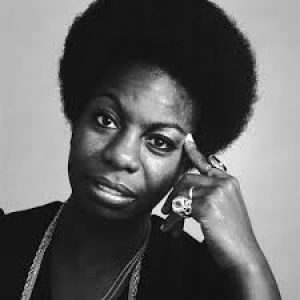
Over fifty years following Simone’s peak career success, her legacy is more prominent than ever. Though the cause isn’t entirely clear, the world’s new found appreciation for her alludes to the fact that society is now ready to accept the harrowing truth Simone’s music revealed about America’s roots in racism, sexism, and hatred.
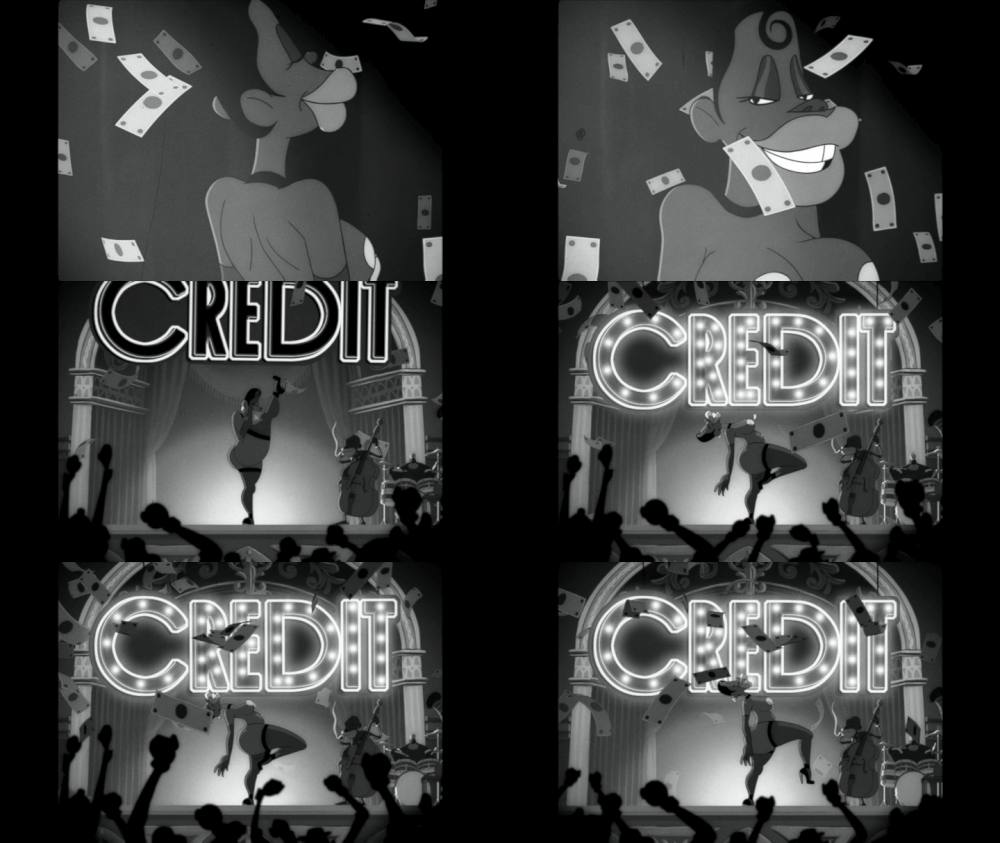
You’ve probably heard the song “The Story of O.J.” by Jay Z by now (if you haven’t, listen to it immediately). Okay, now that we’ve all heard Jay Z’s groundbreaking recording, you’ve likely noticed that in the background of the track is the famous line “my skin is black” from Simone’s track “Four Women”. Jay Z isn’t the only artist to have sampled from Nina Simone, just three years ago Kanye West and Rihanna did the same in the track “Famous”. Point being, Simone’s presence in pop culture is at an all time high, maybe even more present than when she was alive. But why Nina Simone over all of the other singers in the past century? Why now?
I mean hits shuffle through the top charts every day, backlists shrink, and music from past artists, especially pre-spotify artists become harder and harder to come across, yet Simone’s presence has ceased to fade away. In the last four years, over twenty remastered tracks and compilations have been released, and iTunes currently has 115 of her albums for sale. Less than a month ago Simone’s voice appeared in Beyoncé’s new documentary Homecoming (10/10 would recommend). In 2016 Zoe Saldana played Simone in the Netflix documentary Nina.
The question of why the world is suddenly obsessed with Simone is a difficult one for me to grapple with. Especially because A. I haven’t been alive for that long and B. I’ve always been a fan, so her appeal didn’t hit me as suddenly as it did the rest of the world. But knowing what I do about her legacy, and general American history, I’m inclined to believe that Nina Simone’s raw voice and unapologetically truthful content took some time to absorb and be appreciated by the Americans. I mean, having Simone belt songs about her extreme hatred for the American system and white people was probably a tough pill to swallow for…the American system and white people. But now, her music is inspiring people in a way that just wasn’t possible fifty years ago. Today, her dynamic identity is a reflection of young people’s aspiration to continue the fight for racial equality by bringing together retro themes with modern technology (cough cough social media).
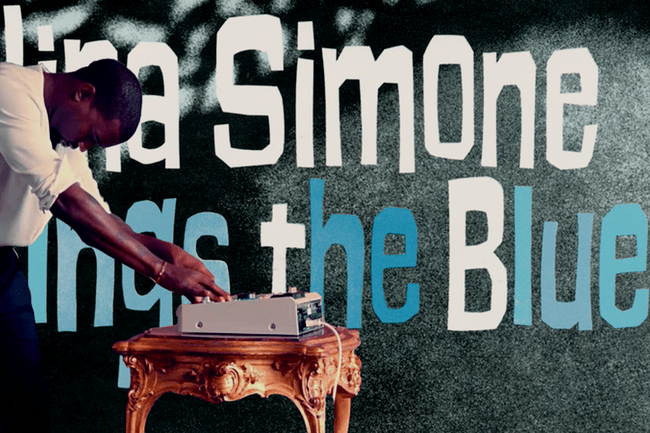
We’ve seen this before during our course, in fact our entire semester talked about this very phenomenon. To get to the point, the Nina Simone revival directly echoes the Folk Music revival. And it makes sense, folk artists of the time were singing about truth, touching the intangible parts of one’s identity, allowing people to feel disconnected from society and yet a part of something special. Simone’s music does the same today, NOT half a century ago. And how could it? She was an angry, dark-skinned, nappy haired black woman singing about race, hating white people. AKA going against literally everything society (even a lot of the edgy folk fans) deemed acceptable. So of course she wasn’t praised at the time in the way she is now—America simply wasn’t ready for her.
But alas, it is a completely new day in America, one where society is more receptive to accepting the truth Simone desperately tried to evoke in her music. I only wish she were alive to see it.
 Nina Simone Final Project