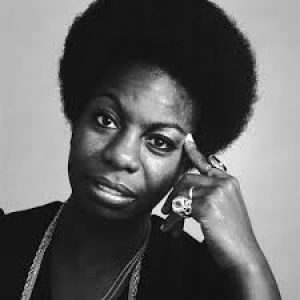
The power of “Mississippi Goddam” is that it’s message can be internalized without any knowledge of it’s political implications. There are no references to the exact events that led to the song. However once the proverbial seal is broken, there is endless mourning and truth behind its message. Raw, angry, helpless truth.
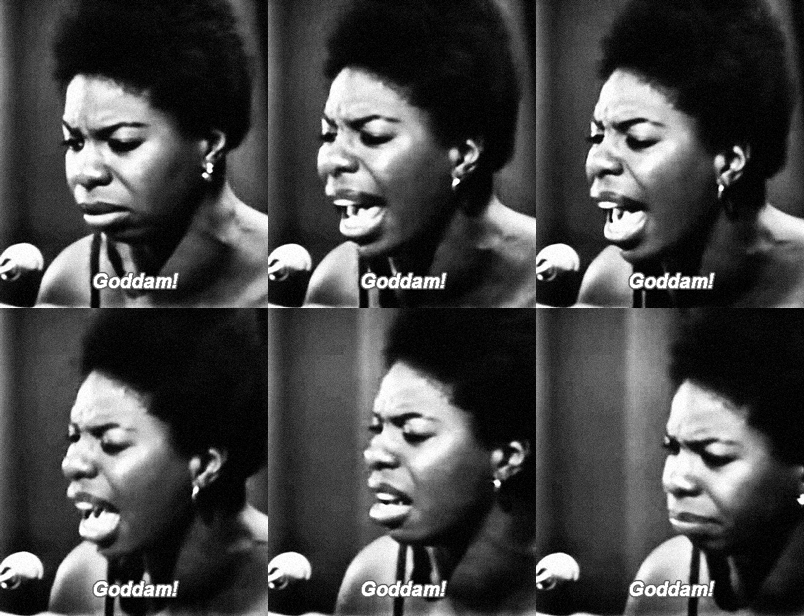
“Mississippi, Goddamn” is a song that, like very essence of Nina Simone’s career, is not what one might expect. Especially since it opens with a declaration that it is “a show tune-but the show hasn’t been written yet”, which if its your first time listening to the song, you might believe given the upbeat showbiz-ee background arrangement. However, the initial confusion immediately wears off at the opening of the first verse when Nina’s staccato, quick, and unmistakably frustrated voice belts out,
“Alabama’s gotten me so upset. Tennessee made me lose my rest, but every body knows about Mississippi, Goddamn!”
Considering that this song was written by Simone in 1964 (and amazingly in under an hour), the tone seems completely justifiable, but it was actually written in response to the murder of African American civil rights activist Medgar Evers in Mississippi and the bombing of the 16th Street Baptist Church in Birmingham Alabama, which killed four black girls.
Mississippi Goddamn not only openly slams the states mentioned, but also mocks government leaders push to “go slow”, which refers to the slow push for racial equality. This song clearly is not meant to be an inspirational ballad like other songs of the Civil Rights Movement, in fact it skips the non-aggressive, uplifting aspects and just focuses on the movement. This isn’t only represented in the lyrics, but also sonically. The instrumental backing is quick paced and steady, which although is catchy, also gives a rushed, jittery feeling. Listening to the song evokes the same feeling as waking up 10 minutes into class or a meeting, aka: PANIC. But this sound was completely intentional, after all Simone didn’t compose it to be danced to at a club or blasted on the radio. She had a message that was going to spread, and didn’t give a goddamn about who it offended.
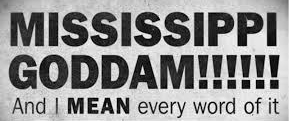
And it did immediately. The song was banned by radio stations in the South, and venues even stopped booking her due to her outspokenness. However, while being blacklisted by white conservatives, Simone was being praised by supporters of the Civil Rights Movement. This song alone gave her a leading role in the movement, and was soon proclaimed a Civil Rights Anthem. Simone even performed the song at the march from Selma to Montgomery in 1965, which was a very bold act, as there were armed federal troops present. Not surprisingly, Simone wasn’t intimidated. Seated in the front row was Martin Luther King Jr. joined by worldwide dignitaries and a crowd of hundreds who communally felt the anger of the lyrics. Simone was so angry that she actually damaged her vocal chords that day, and as a result would never return to such a high octave. But it didn’t matter. Through “Mississippi Goddamn” Simone was able to say sing what no black man would ever be able to say during that time period. This was her homage to the Civil Rights Movement.
 Nina Simone Final Project