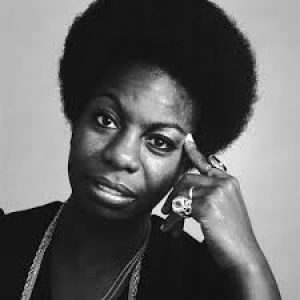
A problematic/genius icon whose defiance and distinctive voice has impacted generations, there has never been another Nina Simone. Her music revealed a message about the black female experience–a message of triumph and overwhelming grief.
While questing to learn every aspect about every aspect of Nina Simone’s life in preparation for this project, I found that none of the media or references sources I found stopped to tell readers about which of Simone’s albums were the best. I mean she released almost 50 live and prerecorded albums during her career, along with almost 30 compilations and unofficial albums. Though I haven’t gotten around to listening to all of her albums (which seems more like a goal to put on my lifelong bucket list), I do have to say that personally, I think Nina Simone Sings the Blues is her best work. But why stop there? So here are some of the most popular and (I think) best crafted albums Simone released during her career.
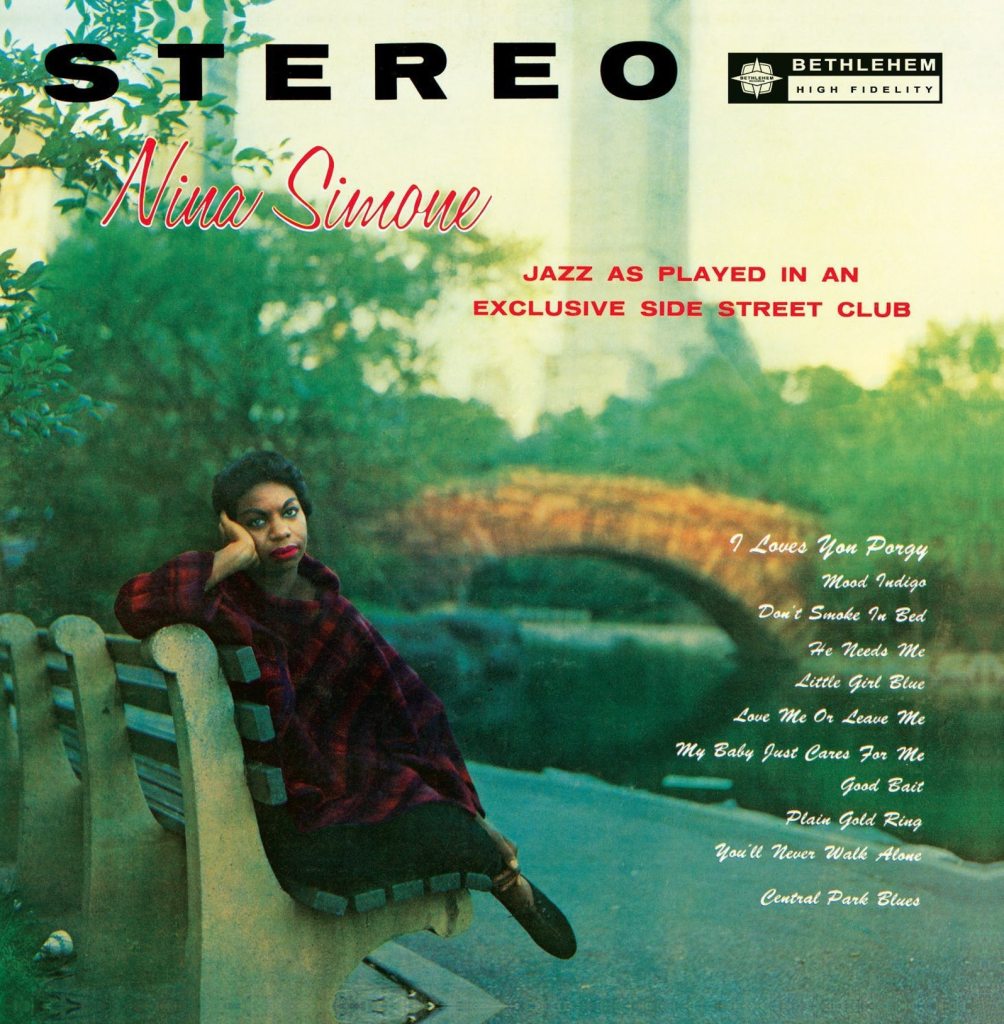
Little Girl Blue (1958)
It’s pretty clear from the first few songs that this is Nina Simone’s debut album. It came about during Simone’s years working in Atlanta jazz clubs, and the influence her surroundings had on the album is very apparent. This album is almost purely jazz, and includes Simone’s only top 20 billboard hit, “I Loves you, Porgy”. Unfortunately, Simone signed the rights to all the songs on the album over to her record label so was never able to reap the success of it. Nonetheless, listening to this album broadcasts the flexibility Simone’s voice has; this is definitely the most jazz orientated album she has produced.
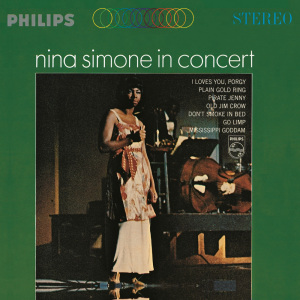
Nina Simone in Concert (1964)
Soon after signing to Philip Records in 1964, Simone released this album, which consists of three performances at Carnegie Hall that year. This album marked a significant turning point in Simone’s career, as she began shifting into her role as a civil rights activist. The album includes her famous performance of “Mississippi, Goddamm!”, which is charged with a fury that the even the recorded version couldn’t match. It’s very clear from the onset of the album that her new music style was a far cry from the catchy “I Love you, Porgy”, and jazz covers. In the album, she also does a cover Threepenny Opera’s “Pirate Jenny” that she effectively transformed into a civil rights anthem.
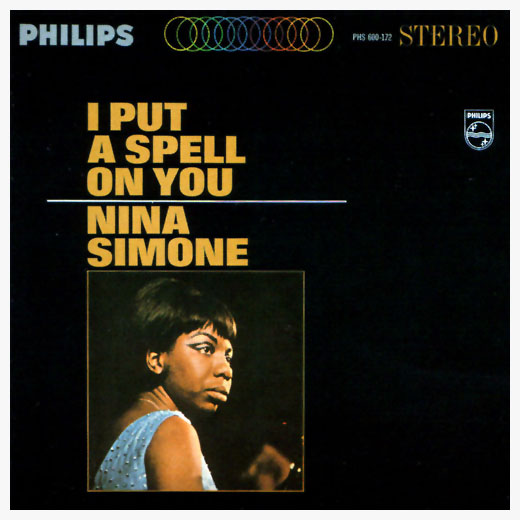
I Put a Spell on you (1965)
Nina Simone’s title as a classic rock or classic soul is likely the effect from this album, which included some of her most famous songs, “I Put a Spell on You”, and “Feeling Good”. Though Simone’s music style is way too diverse to be dwindled down to a single album, its pretty safe to say this album is her most renowned release. So if you’re new to Nina Simone’s music, and don’t know where to start, this should probably be your go to. It’s classic Nina Simone…but shhh, she’d kill me if she heard me say that.
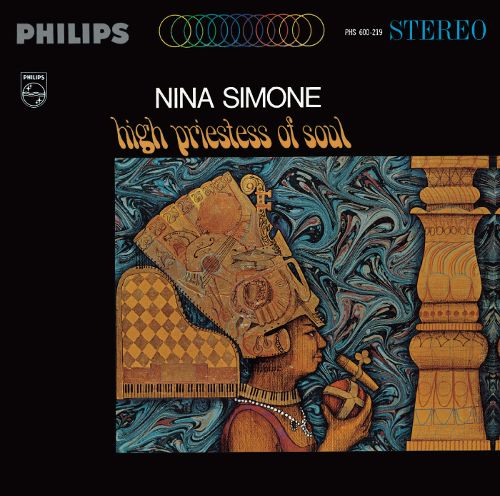
High Priestess of Soul (1967)
This album is particularly interesting, because it marked another turning point in Simone’s musical career. The title alone gives away the fact that by 1967, Nina was interested in getting more into African American roots music, aka Soul. This album is comprised of black folk and gospel songs, and is also probably her loudest album, with her belting over horns or a choir in the majority of the songs. If you’re crunched for time, but are still interested in the album, give “Take Me to the Water” a listen; it’s…magnificent.
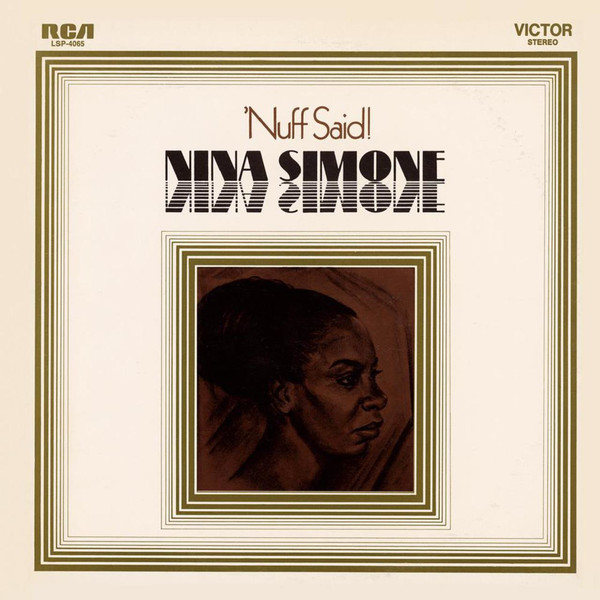
‘Nuff Said (1968)
I listened to this album A. because I was super intrigued by the name and B. because it’s a live album, including performances from the 1968 Westbury Fair, a very folksy event. I think my favorite part of the album was the adoring cheers and praises from the audience when she performed covers of a wide range of artists, and songs from her last album. This album also includes one of my personal favorites, “Do What You Gotta Do”, which recently resurfaced in the media when Kanye west sampled it in his hit with Rihanna “Famous.”
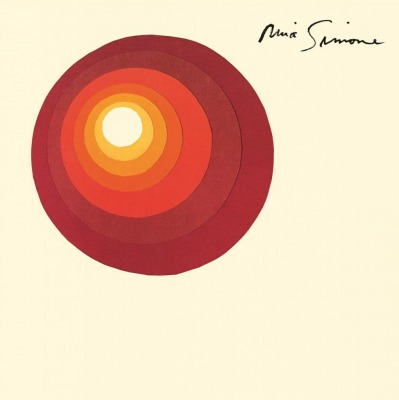
Here Comes the Sun (1971)
One of the most unacknowledged aspects of Nina Simone’s music style is her ability to effortlessly cover famous pop songs of the time period, making the songs sound like the were hers to begin with. This is really exhibited in this album, where unlike in others, she wasn’t covering obscure folk songs, but some of the biggest hits of the time. This is exhibited in her cover of “My Way” by Paul Anka, which she completely deconstructs and makes it completely her own. She also includes a gorgeous cover of “Here Comes the Sun” by the Beatles (note the album title) which is still known as one of her most famous songs.
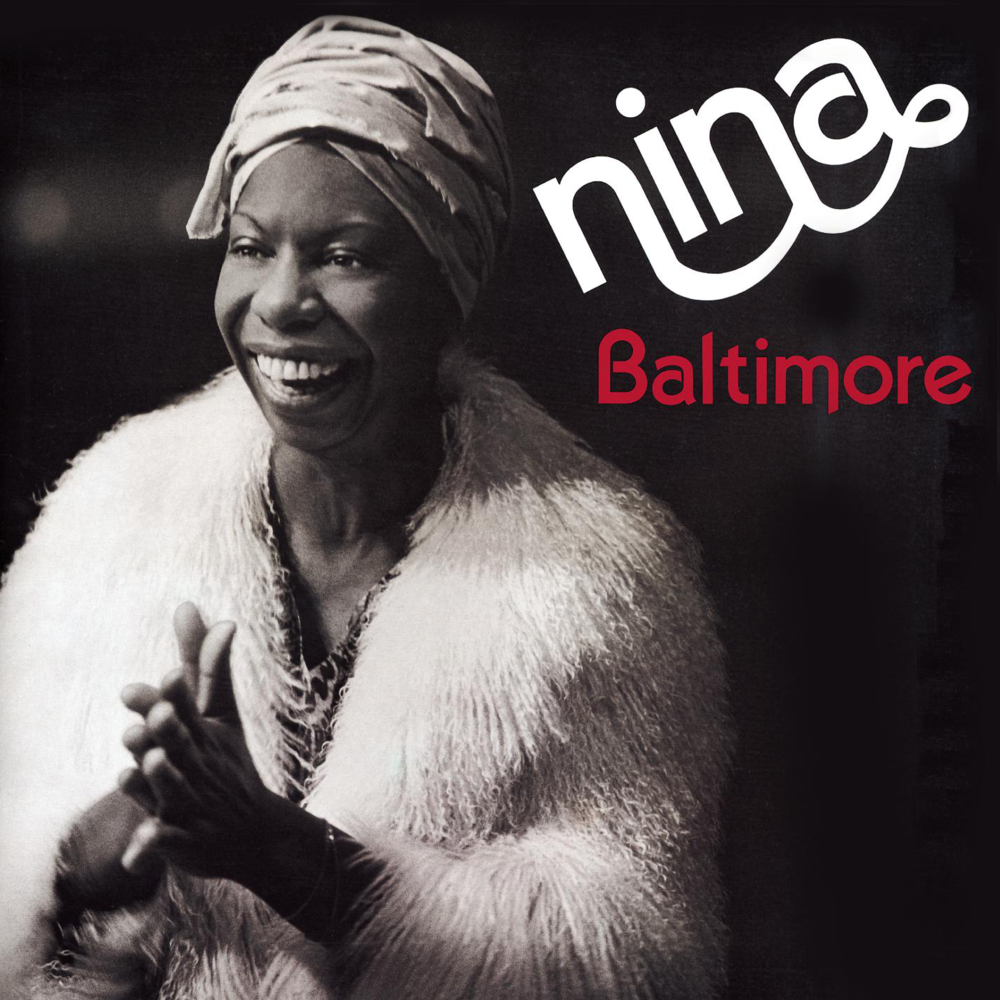
Baltimore (1977)
This album came as a surprise when it was released, because only three years earlier, Simone released her alleged final album “It is Finished”. However, when coming back from abroad, predictably, she was joined with a new album. This album contains a lot of African and reggae influences, which Simone lamented about in later years, but her resentment might’ve been due to the album receiving lukewarm success.
 Nina Simone Final Project