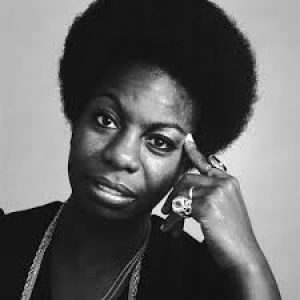
Is Nina Simone’s voice “good”? Not really. Does it matter? Absolutely not. It’s the truth woven into her songs that captivate the world. The anger, disturbance, and injustice experienced by a wide nosed, dark skinned, nappy haired black woman living in America.
The very first time I heard Nina Simone’s voice I…was not a fan. In fact, I hated it. I mean, granted I was nine and thought that Miley Cyrus was the most talented singer of our time, but I just couldn’t find anything to like about her voice. And honestly, Simone’s voice isn’t one we’re supposed to like. Its hoarse, raspy, goes from soft to loud in the drop of a hat, and is often off pitch. So why is it that her voice came to be so widely loved? This is the question that I’ve been wrestling with for the last ten years, but having done my research and thrown out (most of) my Miley Cyrus cd’s, I think I’m ready to find an answer.
First off, it’s important to note that there is no format for what a black female singer should sound like. Especially not with Simone’s ridiculously diverse repertoire including covers of the Beatles, Bob Dylan, Duke Ellington, and even from obscure Norwegian folk artists. It’s clear that Simone was never interested in associating with a particular genre or sounding like any other black female artist. She furiously condemned those who compared her to Billy Holiday, and outright rejected the label of ‘jazz artist’.
“People couldn’t get past the fact that we were both black… calling me a jazz singer was a way of ignoring my musical background because I didn’t fit into white ideas of what a black performer should be.” –I Put a Spell on You
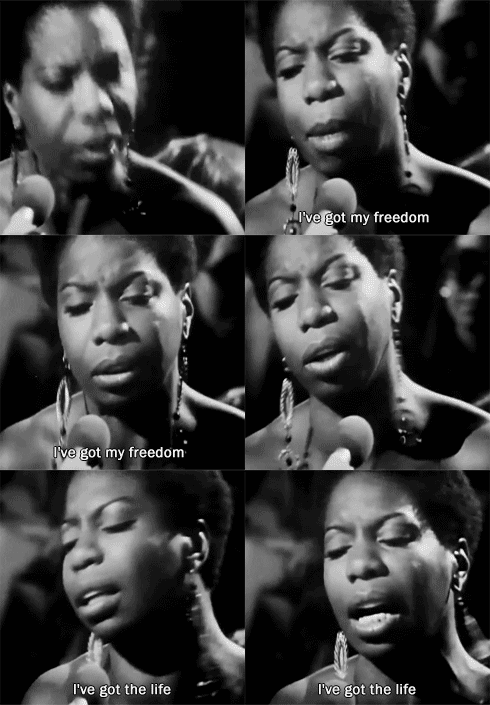 You see, Nina didn’t want to be put in a box as a black musician, because had the self awareness to know that she was much more than that. She also knew that it didn’t matter how sonically pleasing her voice was. In fact, Simone didn’t particularly care about her singing at all. She even stated, “I never set out to be a singer, so I don’t think much about singing.”
For Nina, music was about the message being spread to others, not the way it was delivered, which is why she avoided any vocal classification. Through covers, she has been able to shape any song to fit her untutored reverberation and atypically low voice. The often unpleasant cracks or changes in pitch are unusual for a black female artist, but give her music a defenseless, raw quality. Her voice is so complex because it doesn’t sound good, yet you don’t want to stop listening to it. I guess its her words that are so magnetic. Her lyrics are so truthful, so real that they touch something in listeners. What that thing is? I don’t really know. Damn, her voice was complex.
 Nina Simone Final Project