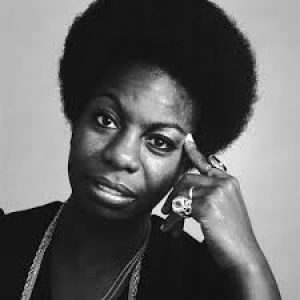
The commemoration of blackness, of both surviving brutality and transcending it. By writing this song, Simone stops becoming a victim, and starts becoming a victor. One whose agony and triumph still prevail today.
“When you’re young, gifted and black, your soul’s intact!”
We all know Nina Simone as the world famous singer/songwriter and classically trained pianist-well at least we did in the early 1960s. But by 1963, race relations in America took a dramatic turn for the worst, bringing with it the murder of Civil Rights activist Medgar Evers, the killing of four black girls in the Birmingham, Alabama church bombing, and so, so many more occurrences. As we’ve looked into previously, Simone expressed her initial frustration through “Mississippi Goddam”, which brought her to the front lines of Civil Rights activism.
But by 1968, Simone shifted to another side of the movement, one that focused on emphasizing the joy of being black. As a supporter of the Black Power movement, Simone wrote “To Be Young, Gifted and Black” which she dedicated to her recently deceased friend and writer of A Raisin in the Sun Lorraine Hansberry. The song gained traction immediately, and was soon referred to as a Civil Rights Anthem, one that empowered young African Americans to celebrate their blackness.
Donny Hathaway’s Rendition
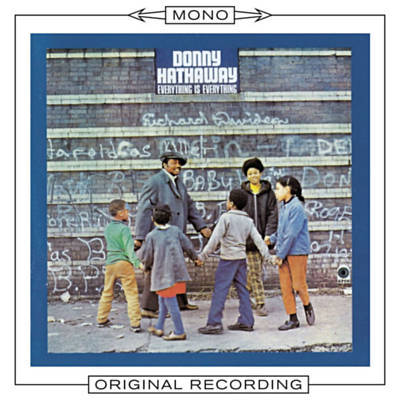
Donny Hathaway’s rendition takes the song straight to church. The gospel theme running through the song becomes apparent before before he actually starts singing, with the group of voices chanting in the background accompanied by gospel piano. It’s made very clear once Hathaway begins singing that he is tremendously talented. His voice simply conveys lyrics perfectly, staying with the beat with close to no effort. Simply put, Donny Hathaway has soul. The passion he puts into the song put in conjunction to the upbeat chants and claps in the background really add to the tension of the song, which makes you realize how dear the subject is to Hathaway.
Aretha Franklin’s Rendition
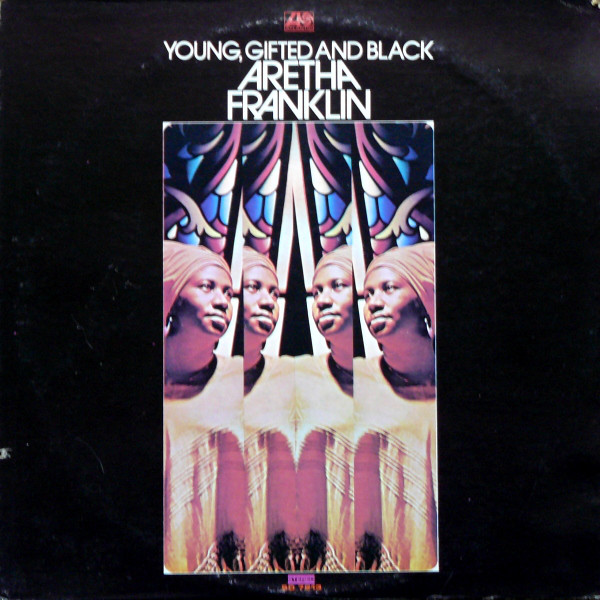
This rendition is slightly more upbeat (since it was recorded in 1972 I think it’s justifiable to be referred to as groovy?) than other renditions, which is surprising because the beginning is very slow and solemn. The song opens with a single piano rift and Aretha’s acapella voice accompanied by the voices of other female singers. The song quickly increases in potency as the harmonies of the singers take the chorus by storm, overpowering even the piano, drums, and guitar in the background. The versatility of this version makes it a song that could either be belted out in church, or danced (grooved?) to at a bar. Regardless of who listened, or where they listened, this rendition certainly does justice to the original version and the black community.
What your verdict on the two?
 Nina Simone Final Project